

COMPOSTING IS EASY and AFFORDABLE
Earth Machine Compost Bins Available to Worthington Residents for $ 65.00
The Earth Machine Compost Bin
Composting is a great way to recycle our organic waste into a beneficial soil amendment for our yards and gardens. Composting at home can also help reduce methane production at landfills. Using the compost in our landscapes helps store carbon in the soil instead of releasing it to the atmosphere. And you can reduce your trash by 50 percent or more by composting leaves, grass clippings, garden debris, fruit peels, vegetable scraps, tea bags, coffee grounds, egg shells, and shredded paper.
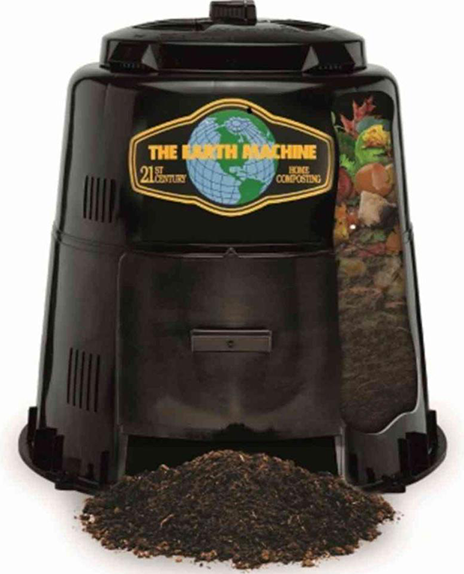
It’s easy to make compost, and the Hilltown Resource Management Cooperative (HRMC) makes it even easier by offering rodent-resistant home composting bins at 50% less than retail prices. The Earth Machine Compost bin has a capacity of 11 cubic feet, the equivalent of about 4 bags of leaves. It has a sliding door at the bottom for removing compost and a locking lid. It is made from 50% post-consumer recycled plastic.
Easy The 80-gallon Earth Machine® is a durable backyard compost bin designed to compost food and yard waste, effectively diverting it from landfills. When residents are encouraged to divert organics from the waste stream and are educated about the benefits of composting, up to 50% of organic waste can be diverted from the waste stream. The Earth Machine is for food and yard waste only.
Earth Machines are ordered through Orbis under our state Contract at the subsidized cost of $65.00. The retail cost ranges $189.99 for ordering directly through the vendor.
• 80-gallon, 300-liter capacity
• Easy snap together assembly
• Twist locking lid.
• Harvest door, for easy compost removal.
• Vertical and horizontal ventilation
• User guide, harvest door, lid and screws included.
• BPA free
Pre-orders open June 2 through June 10
Email Lcernik@nbswmd.com;
She will then respond with confirmation and address to mail the check.
Please include your name, Town you reside, phone number, Number of units ordering.
Pick up location will be at:
Town of Cheshire MA
DPW Yard
6 Main St,
Cheshire MA
Date Tuesday, June 30th from 9am to 11am.
Each Unit is $65.00 for All residential, checks should be made out to NBSWMD.
Opportunities for Residents to Learn More About Composting
Check the HRMC website at www.hrmc-ma.org for resources and opportunities to learn more about composting.
Composting Basics
The Earth Machine compost bins help hold in heat and moisture, keep animals out, and look more attractive than open compost heaps. Organic material will start to turn to compost in the bins in 3 to 6 months. Compost, known as “black gold” to gardeners, replenishes nutrients in the soil, helps retain moisture, makes the soil easy to work, and helps plants resist disease. Compost makes plants healthy so they can overcome adverse conditions without pesticides or chemical fertilizers.
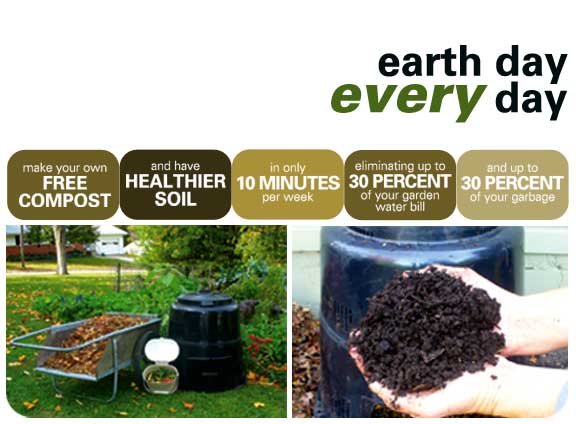
Whether you choose to use a compost bin or create a compost heap, your compost bin or pile should consist of three parts “brown†material and one part “green†material. This provides food for the compost organisms in a recipe that will not create odors. “Brown†ingredients include leaves, straw, dried grass clippings, wood chips, sawdust, pine needles, and shredded paper products such as napkins, bags, plates, coffee filters, tissue and newspaper. “Green†materials include fresh grass clippings, weeds, fruit and vegetable scraps, coffee grounds, tea bags, eggshells, manure, and seaweed. Make sure the materials are damp as you build the pile, especially the “browns.†As you build the pile, sprinkle on several shovelfuls of rich garden soil or finished compost after every 12†of fresh material.
Leaves are an important ingredient of any composting effort. Without them, your compost may become too wet and create odors. If you have leaves available, use them to start your compost heap and save the rest to add during the summer. Compostable food scraps and grass clippings should be buried under about 6″ of leaves, where they will decompose odorlessly. If leaves are in short supply, add plenty of shredded paper towels, napkins and torn up paper bags to provide the necessary carbon, and always bury your food scraps under this material.
Soil organisms that convert organic material to humus do most of the composting work. They need oxygen, just as we do. Lack of oxygen will slow down the composting process and cause odors. The Earth Machine allows air to penetrate the pile. If you have a compost heap, periodically turn your pile, fluff it with a hoe or turning tool, or build air passages into the pile to keep your compost pile aerobic and odor-free.
In about three months, the material will start to turn to compost. The material at the bottom of the pile will be ready first. As more time goes by, the level of compost in the pile will rise until it is easy to access just below the surface. You will know your compost is ready to use when it looks like rich, brown soil and no longer resembles the original materials.
Compost benefits all plants, and there are many different ways to use it. Add a handful of compost to each transplant hole when planting seedlings or potted plants. Spread another handful on the surface of the soil around the newly planted seedling, making sure that the compost is not touching the stem or trunk of the plant. Spread compost as a mulch around perennials, shrubs and other existing plantings. If you are planting seeds, apply one-half to three inches of compost and mix it in with the top four inches of soil in the seedbed. To rejuvenate lawns, screen your compost using ½†screening. Sprinkle the screened compost on the lawn about ¼†deep. Screened compost is also excellent for reseeding lawns. Sprinkle it ½†deep over the bare spots and distribute new grass seed on top. You can even make excellent potting soil with compost by mixing equal parts compost, sand and loam.
Vermicomposting – Indoor Composting with Worms
Don’t have a backyard but wish to compost your kitchen scraps? Try vermicomposting. This method of composting using red worms, can be done indoors, in a basement, heated garage or other convenient location that doesn’t freeze. Red worms eat approximately their own weight each day; a pound of worms will eat a pound of organic material. That’s a tough ratio to beat for efficiency, and luckily, maintaining a worm bin is relatively easy. It’s a compact, convenient and odorless method of composting, and the end product is a very fertile form of compost called worm castings. To make and set up a worm bin, see the fact sheet on vermicomposting distributed by DEP, see the link to Vermicomposting on the Composting page of the HRMC website, or read Mary Appelhof’s book entitled Worms Eat My Garbage, Flower Press, Michigan, 1982. Manufactured bins such as the Worm Factory from Go Green Solutions are also available on-line.
To order the Earth Machine compost bin, contact the HRMC at hrmc@hrmc-ma.org and provide your name, residential address and phone number (or call 685-5498 with the same information).